Table Of Content
- Traditional vs. Modern Japanese Design
- How to create your Japanese artwork design
- Integration of Natural Elements and Landscapes
- Get Our Weekly Newsletter
- Japanese Designs That Have Subtly Outdone the Rest of the World
- Choose your graphic design color palette
- Minimalism
- Incorporate Natural Materials & Textures
Contrary to the west’s emphasis on the individual designer, Japan’s traditional clothing sector focuses on the body of work made by craftspeople, particularly the careful attention given to individually hand-made pieces. And most importantly, the passing down of shared knowledge from generation to generation, connecting the practices of history to the implementation we still see today. The result of this can be seen in one-of-a-kind pieces such the iconic kimono, or in the hand-painted lining on these silk kimono jackets.
Traditional vs. Modern Japanese Design
The young Fukushima born designer worked his way up and eventually was able to begin his own line under the Commes des Garçons name. Like his mentor, Rei Kawakubo, who is known for her offbeat and singular style, Watanabe has made a name for himself by making unique texture choices. Some have called him a “techno couture” designer for the way he uses fabric; draping techniques, distinctive concepts, and the uniqueness of the material itself. Similar to his mentor, the designer doesn't often give interviews and is rarely seen in the public eye. Though he began his career pursuing a law degree, high fashion designer, Yohji Yamamoto, altered his course to help his mother at her dressmaking shop.
How to create your Japanese artwork design
Hiromi Asai is a kimono and fashion designer who uses high end textiles made solely in Japan. The designer is concerned with preserving the vitality of the kimono, which has made a long history through time. While supporting the continuation of the kimono itself and reinserting it into the minds of designers and consumers of fashion, Asai additionally cultivates fashion lines using kimono fabric and kimono aesthetics. At the New York Fashion Week of 2016, Asai sent her kimono designs onto the runway and did just that. Her designs are sleek and bold; colorful and reflective of the clothing she breathes life into.
Integration of Natural Elements and Landscapes
She became known for her chosen motifs like the butterfly pattern, and her use of kimono. In 1965, her collection East meets West was presented in New York City. And in 1985, Mori was the costume designer for the lead role in Keita Asari’s version of Madame Butterfly, which premiered in Milan. Mori is just one of the two Japanese women who have presented collections on the runways of Paris and New York City.
Get Our Weekly Newsletter
That’s why it’s common to add faces and human-like qualities to products. You’ll see this widely used in advertisements, posters, packages and branding. Japanese typography is much more complex than the Western alphabet with over 2,000 characters to write and three different scripts. No wonder calligraphy plays such a huge role in Japanese design—drawing letters is an art form in itself. Many of the earliest Japanese wood print blocks illustrate nature and how the world constantly changes and moves. This sense of continuity evolved into modern-day manga and bright packaging.
Japanese Designs That Have Subtly Outdone the Rest of the World
This pattern is often used on kimono material and is thought to bring good fortune. A kimono with a Kanoko pattern on is considered a luxury item due to the intensive labor required to create it. Hishi is a pattern where two parallel lines pass to create geometrical shapes. The meaning of Hishi is water caltrop, a rhombus-shaped aquatic plant. Miyake's on the global fashion industry is immense, and his designs have been exhibited in museums around the world. His use of technology in fashion has helped to shape the industry in significant ways.
Japanese Fashion Designers You Need To Know - The Culture Trip
Japanese Fashion Designers You Need To Know.
Posted: Fri, 13 Oct 2023 07:00:00 GMT [source]
Clean, sparse aesthetic approaches trace back to Zen art influences. This appreciation of negative space, asymmetry, and simplicity imbues visual harmony. We see this in branding elements like Muji’s logo or Issey Miyake’s fashion silhouette. Whether you’re a fan of minimalism, asymmetry, or traditional Japanese art forms, these designers will have you in awe with their incredible designs.
Gucci's 'Design Ancora' reimagines furniture classics in rich red - Wallpaper*
Gucci's 'Design Ancora' reimagines furniture classics in rich red.
Posted: Fri, 19 Apr 2024 07:00:00 GMT [source]
Minimalism
Anime is a broad term for a larger spectrum of genres that appeal to all ages. Squares and rectangles represent artificial forms not often found in nature and are often used to create the outline of the kimonos, lacquer boxes, chests, screens and some ceramics. After World War II, Japan’s economy grew enormously, eventually becoming the third largest economy in the world. Driven by the industrialization and manufacturing of the post-war years, the styles of Constructivism and Bauhaus inspired the design of the day, using strong geometric shapes mixed with Japanese symbolism. This posts reminds me of a very Kottke-esque book I have called "Ekiben" which is about Japanese train station bento boxes which have really cool designs.
Incorporate Natural Materials & Textures
It was the Japanese idea that objects — vases, dishware, vanity boxes and other items theretofore considered strictly utilitarian — were themselves art. This was the beginning of a radical shift in how France would come to view all art. Minka, the traditional farmhouses of Japan, represent a wonderful but fast disappearing Japanese architectural style. They are generally constructed of heavy and often uneven timbers, bamboos, thatched roof and mud walls. In spite of their charm, minka are often dark and cold, lack modern conveniences, and are very expensive to re-thatch and maintain. For these reasons, the number of these houses had been dwindling till quite recently.
The gardens are design to be viewed from the low vantage point of a person seated in the room or on a tatami mat. The Takamatsu house was built in 1917 in the Sukiya style in Nagoya, and relocated to a scenic part of the Aichi Prefecture in the 80s to save it from destruction. In keeping with the true Sukiya aesthetics of understatement, this large house has an air of modest elegance rather than showy pride.
There’s simplicity and plainness with a limited color palette, and there’s elements of ma in the design as well. As a graphic designer yourself, recognizing and appropriately incorporating Japanese design in your work is super important. This is especially true if you're serving clients of Japanese descent or if you're commissioned to create Japan-inspired designs. Japanese graphic designers are doing great work for clients worldwide. The few examples above show that Japanese influence is everywhere in the product, poster, and game designs we see today.
Sliding doors, natural materials and low lying furniture are all synonymous with the country’s interior design. After that, she says it’s up to the person regarding how much of each individual style gets included in the final look. “You can choose if you like your place a bit more Scandinavian or Japanese,” she says. For example, you may choose to incorporate a darker color palette full of stones and dark wood to embrace a bit more of the Japanese style, or go lighter if you want more of a Scandinavian flare.
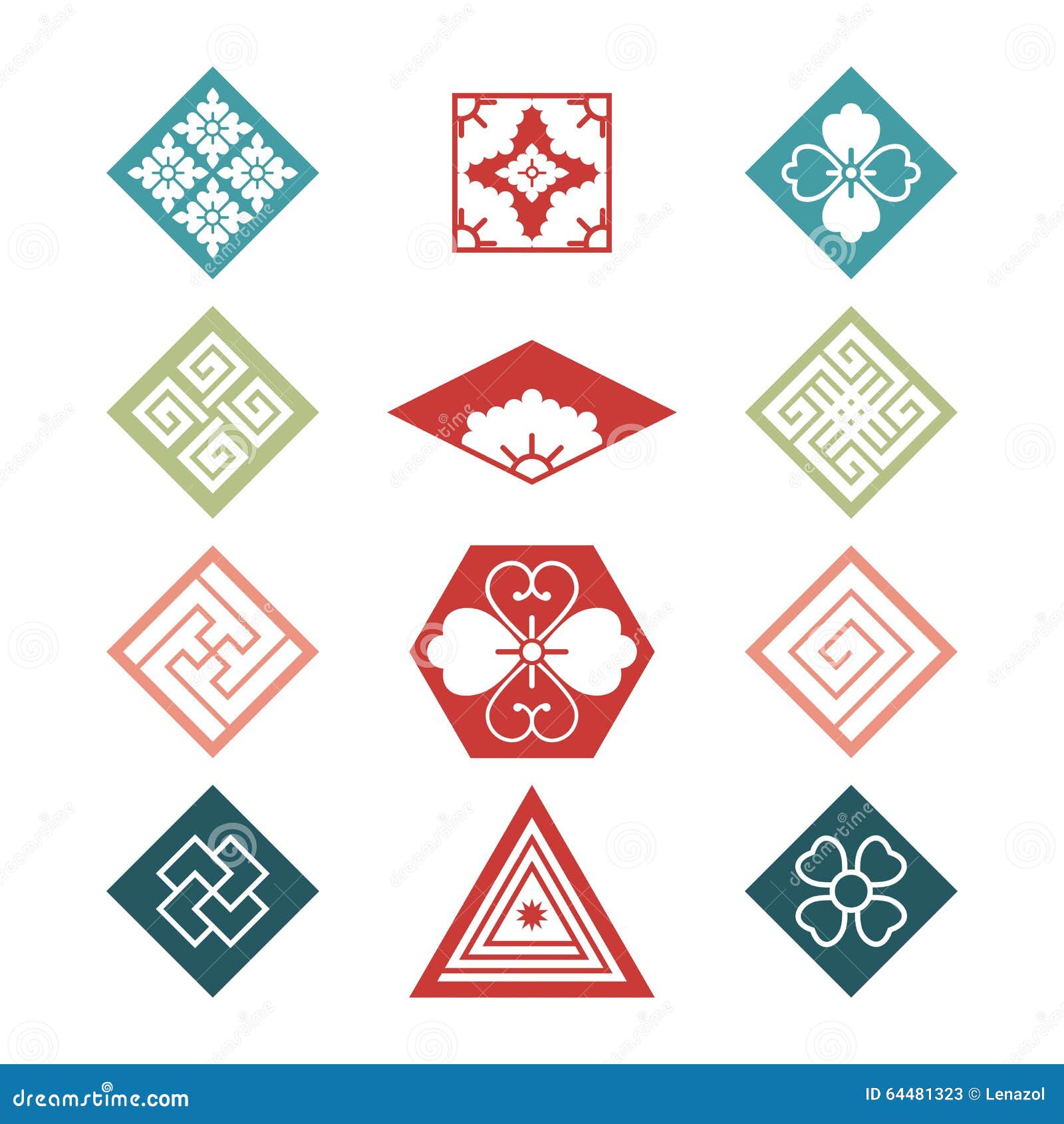
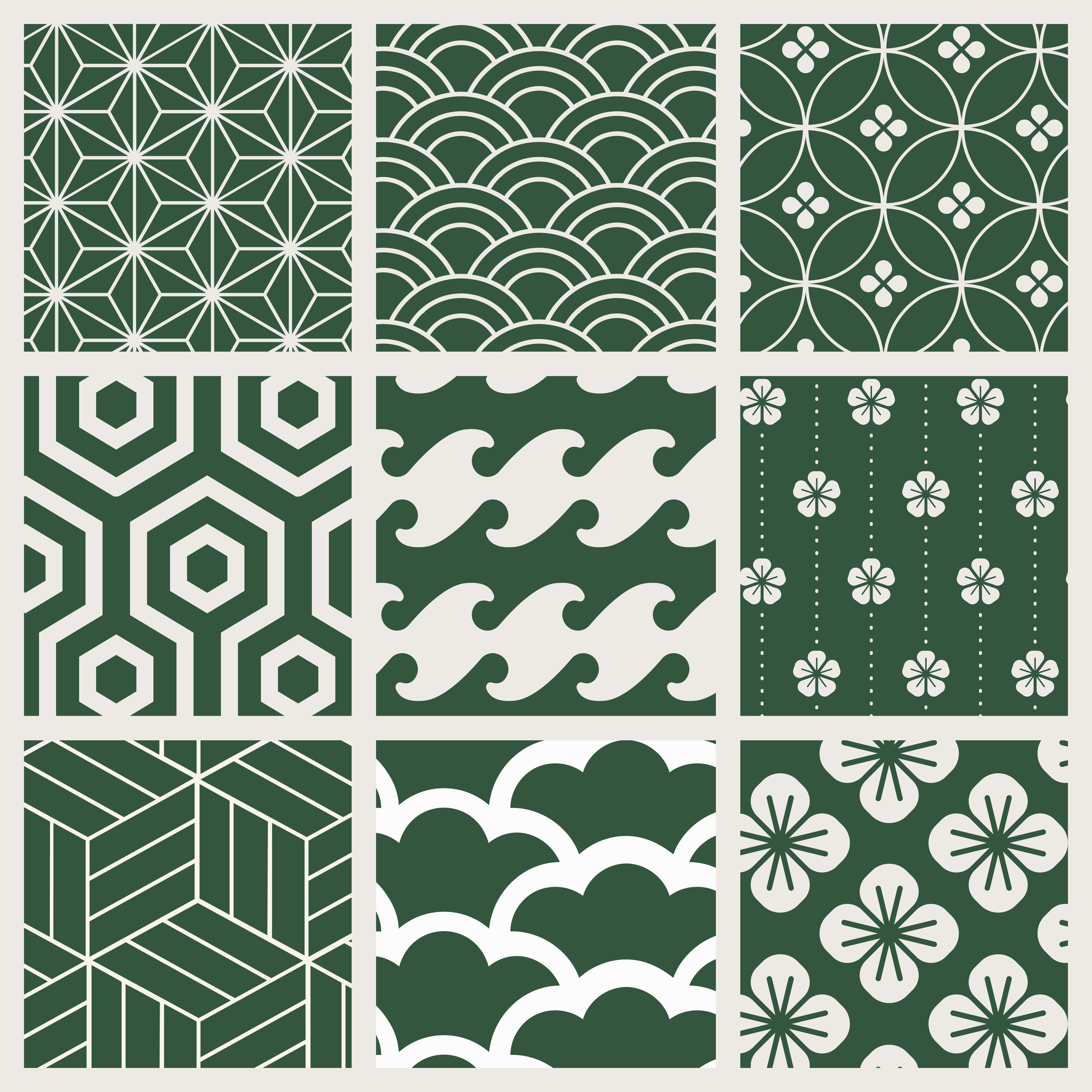
The overlapping circles in the Shippōpattern resemble petals, with a shining star formed in the center of each petal. It is renowned for bringing harmony, good relationships, and the prosperity of descendants. The Sayagata pattern symbolizes positivity and is identified as representing compassion, life, and strength. The pattern symbolizes the acceptance of the transience of beauty, kindness, and softness. The pattern can be made up of a grid or unique shapes and can contain other patterns. The Matsukawabishi pattern means pine bark, and as such, it is a symbol of longevity.
The cycle of honouring history while pioneering the future sustains Japan’s ever-evolving, vibrant graphic arts. Print production technologies, enabling graphic design and art innovations, transformed Japan's history. Whether you’re a designer, artist, or simply a design enthusiast—Japanese graphic design is definitely worth exploring and appreciating. The use of balance and proportion is also a key component of Japanese design—as designers aim to create designs that are harmonious and aesthetically pleasing.
Born into an artistic family, Saito was likely influenced by his father, a modern kimono designer, and his grandfather who specialized in kimono dyeing techniques. Unlike most kimono craftsmen, who debut in their 40’s and 50’s as learned artisans of their craft, Saito made his debut at 27 as one of the youngest kimono designers in the limelight. Since then, Saito has aimed to bring the kimono to the forefront of the fashion conversation—more accessible, and easy to wear. This could be seen in 2008 at Tokyo Fashion Week when he showcased denim kimono. “My message would be -- you can wear kimono to a party, a birthday party, you can even put the denim kimonos in the laundry,” Saito said in an interview with Reuters. Traditional Japanese fashion design is closely knit with Japan's culture of collectivism.


No comments:
Post a Comment